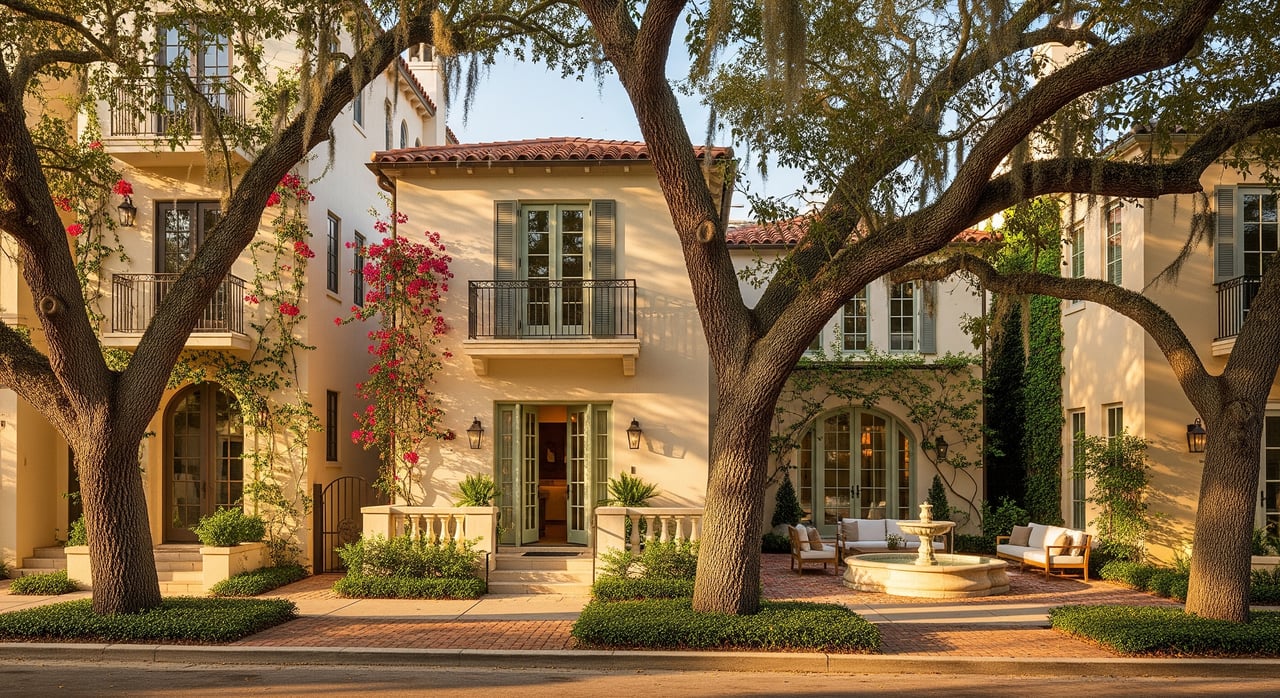
Imagine stepping out your front door and choosing between coffee with a friend, a quick gallery visit, or a sunset stroll by the bay. If that mix of urban energy and coastal calm sounds right, the Rosemary District may be a great fit. You want walkability, culture, and convenience without giving up comfort or style. This guide covers everyday living, housing options, trade-offs, and practical tips to help you decide if the Rosemary lifestyle suits you. Let’s dive in.
Location and vibe
The Rosemary District sits just north of downtown Sarasota. You live in a compact, walkable grid where mid-rise condos, townhomes, and a few older single-family homes share quiet streets with small shops and cafes. The feel is urban-coastal: more residential than the downtown core, but close to the bayfront, cultural venues, and beaches.
Most days you can walk to restaurants and services, then drive 10 to 20 minutes to Lido Key or St. Armands Circle for beach time depending on traffic. Siesta Key is further but still a manageable trip by car. Local bus routes run through downtown, and rideshare is easy to hail when you do not want to drive.
Housing options
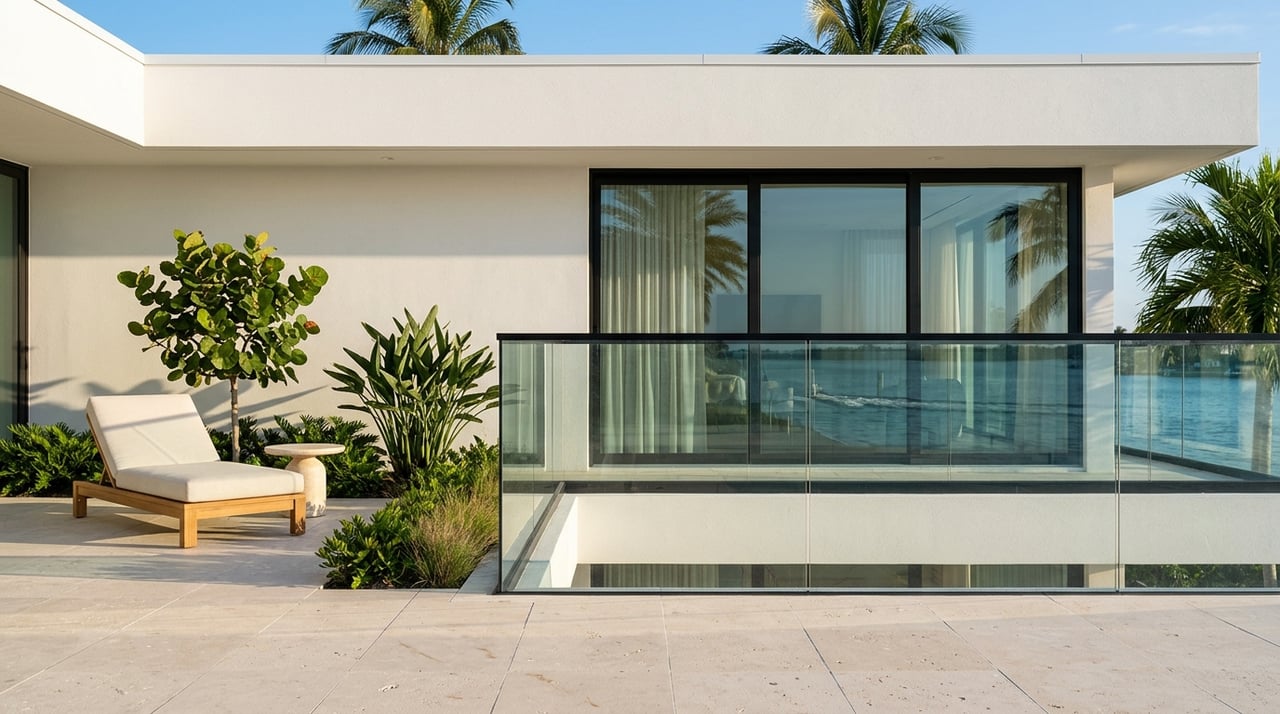
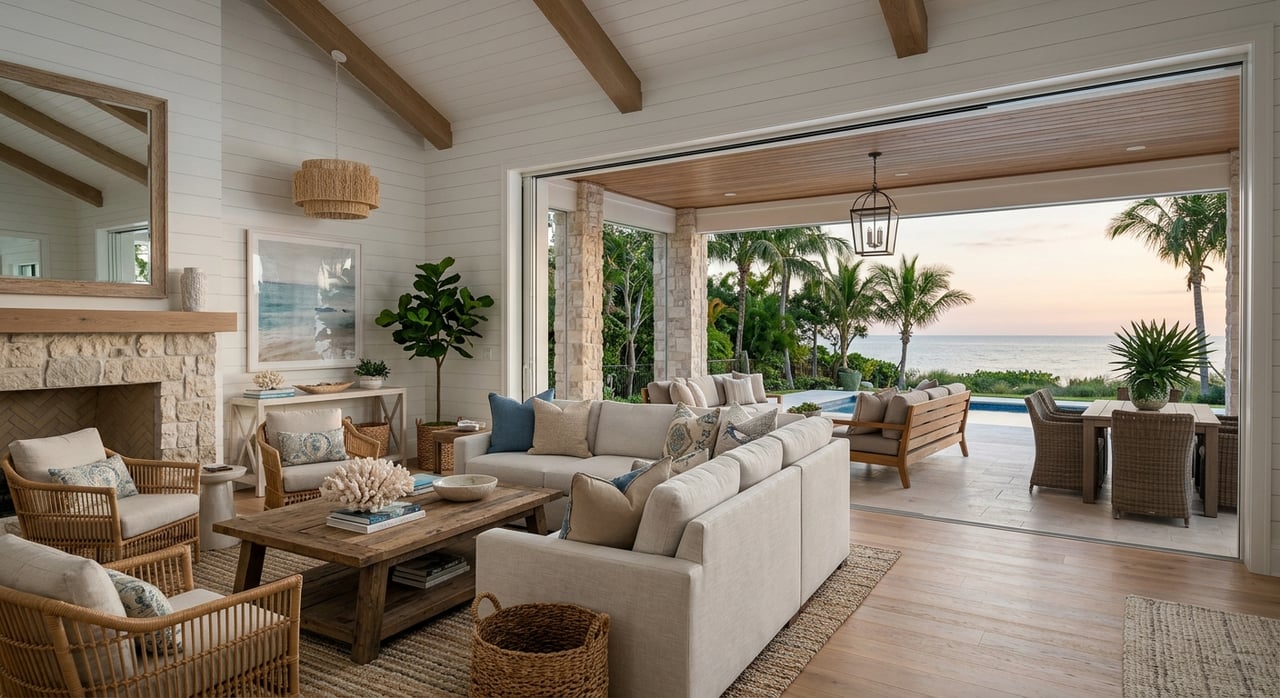
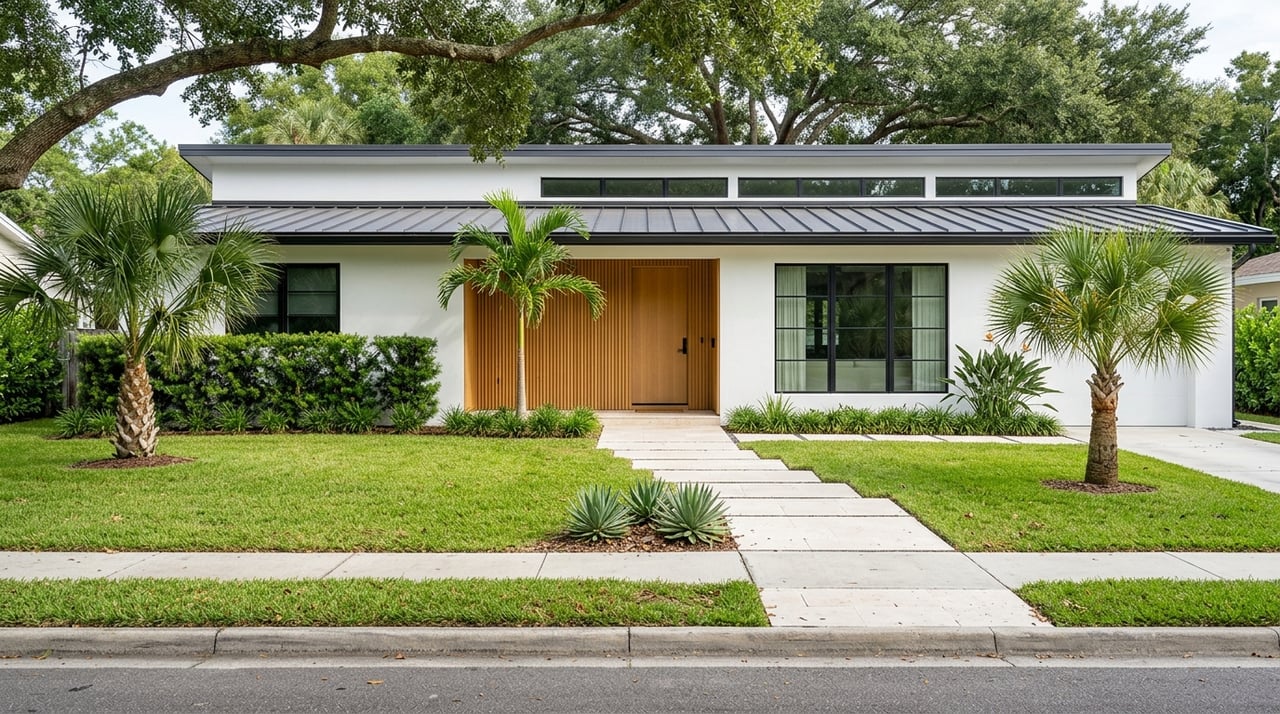
You will find a mix of low- and mid-rise condos, modern townhomes, and small pockets of older bungalows or Mediterranean-style houses. Many buyers choose condos for convenience, while townhomes appeal to those who want more space and a garage. A portion of the neighborhood includes rental units, which can influence supply and building policies.
Condos: lock-and-leave living
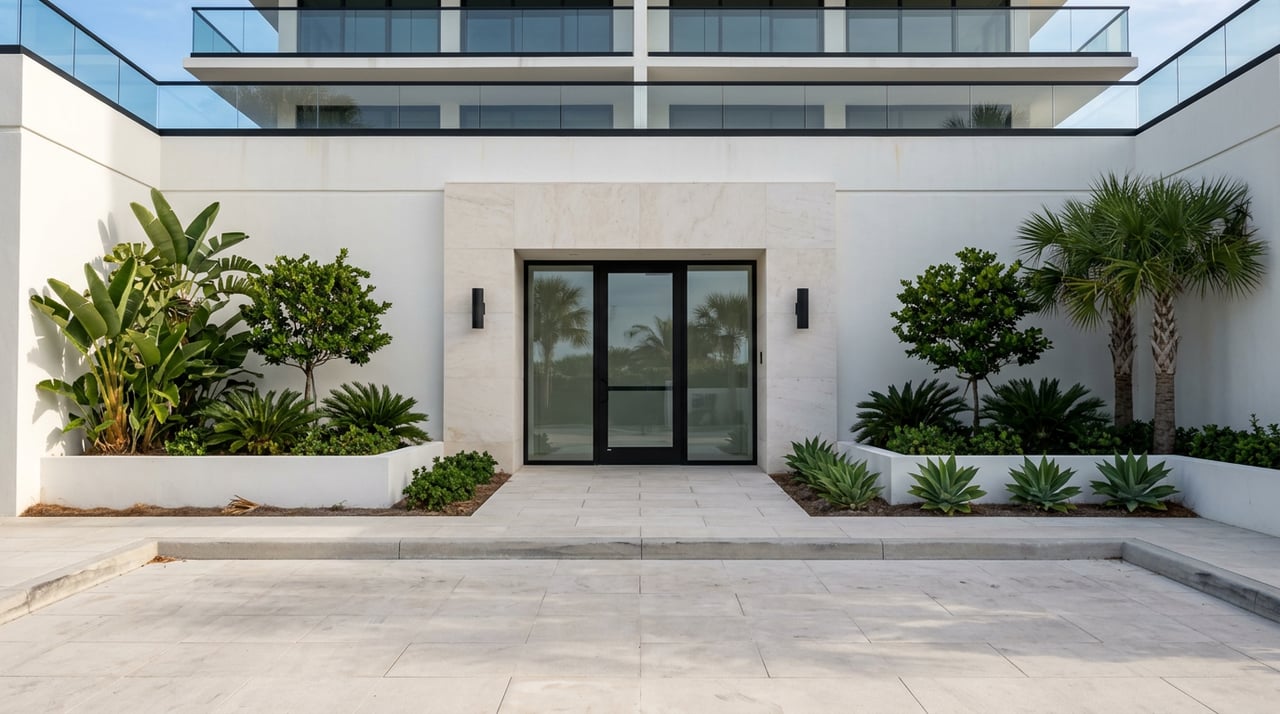
Condos dominate the area and range from boutique, older low-rise buildings to newer mid-rise developments. Daily life is simple. You lock up and go, with exterior maintenance, landscaping, and common-area amenities handled by the association. Some buildings offer pools, fitness rooms, and secure entry, which adds comfort if you travel or split time between homes.
Townhomes: added space
Townhomes bridge urban convenience with more private space. Many include in-unit garages and multiple levels, which helps if you want separation between living areas and bedrooms. You keep the walkable lifestyle while gaining storage and a bit more privacy.
Single-family homes
There are fewer single-family homes here than condos or townhomes, but they exist in small pockets. Many have modest yards and updated interiors. If you want a standalone home without leaving the in-town setting, this can be a good niche to watch.
Rental mix
Some properties are investor-owned and used for long- or short-term rentals. Policies vary by building. If you plan to rent your home, you will need to confirm rules in the HOA documents. If you prefer an owner-occupant feel, note each building’s rental history and restrictions.
Daily life and amenities
Everyday life centers on short walks for coffee, dinner, fitness, or errands. You can bike around the neighborhood for quick trips, though bike lane quality varies by street. Most residents still use a car for groceries, beach days, and regional errands, but you are not dependent on it for every outing.
Walkability and bikes
The traditional street grid and sidewalks make it simple to get around on foot. You can stroll to cafes, casual restaurants, bakeries, and service businesses. Many residents use bikes or scooters for short trips, then drive for larger errands or beach runs.
Arts and culture nearby
Cultural access is a major draw. You are an easy hop to shows at the Van Wezel Performing Arts Hall and opera season at the Sarasota Opera. On weekends, you can explore exhibitions at the John and Mable Ringling Museum of Art or visit the Sarasota Art Museum. Downtown festivals and pop-up events add to the creative energy.
Dining and retail
You will find a mix of independent restaurants, coffee shops, and small grocers in and around the district. Nearby downtown corridors offer boutique shopping, interior design stores, and local services. It is easy to meet friends for dinner without planning an entire evening around parking or long drives.
Parks and bayfront
Small parks and pocket greens dot the neighborhood, and the bayfront parks are close for sunset walks, outdoor events, or casual runs along the water. The waterfront is not far, so you can decide last minute to head over for a stroll after work.
Key buyer considerations
Choosing the Rosemary District is as much about lifestyle as it is about the home itself. Here are the practical points to factor into your decision.
HOA and building health
Most condos and many townhomes have HOA fees that typically cover building exterior maintenance, landscaping, common-area amenities, and often water, trash, and master insurance for shared areas. Review budgets, reserves, special assessment history, and upcoming capital projects. Building age and management quality matter, so look for clear reserve studies and evidence of proactive upkeep.
Parking realities
Parking varies by building. Some come with deeded spots or garages while others rely on limited lot or street parking. Ask about guest parking, loading areas for deliveries, and any waitlists for additional spaces.
Noise and activity
You are near downtown and active restaurant corridors, so sound levels change by block and time. If you want quieter evenings, focus on residential streets set back from main commercial areas. Visit at different hours to get a feel for the rhythm.
Storms and flood
All of Sarasota County is subject to tropical storms and hurricanes. Flood risk is property-specific, especially near the bay. Check FEMA flood maps and, when available, elevation certificates for a clearer view of risk and potential insurance needs. You can start with the FEMA Flood Map Service Center and then confirm details for specific properties during due diligence.
Schools and zoning
Zoning for public schools is managed by Sarasota County Schools and can vary by street. If schools are important to you, confirm current boundaries and any application or transfer options directly with the district. Begin with the Sarasota County Schools website for the latest information.
Taxes and fees
Property taxes are administered by Sarasota County and vary by property. Florida’s homestead exemption can reduce taxes for qualifying primary residents. In condos, HOA dues are a major recurring cost, and some utilities may be included in those dues. Confirm the full cost picture for each property you consider.
Is it a fit?
The Rosemary District suits you if you prefer a smaller private footprint in exchange for walkable streets and quick access to culture and dining. It is popular with downsizers who want lower-maintenance living, young professionals who value proximity to downtown, and seasonal residents who want to enjoy Sarasota without constant upkeep. If you want a big yard and maximum separation from activity, another neighborhood may be a better match. If your priority is convenience, energy, and easy access to the water and arts, Rosemary is worth a close look.
Start your search
The best way to understand Rosemary living is to experience it block by block and building by building. Tour condos and townhomes at different times of day, confirm parking and guest policies, and review HOA documents for reserves, recent projects, and rental rules. If you are weighing trade-offs, you do not have to decide alone. Connect with Stacey King for a tailored tour and a clear, step-by-step plan that aligns with your lifestyle and budget.
FAQs
How walkable is the Rosemary District?
- It is a compact, sidewalk-friendly area where you can walk to cafes, restaurants, small shops, and some services, with a car still useful for groceries, beaches, and regional trips.
How far are beaches from the Rosemary District?
- Lido Key beaches and St. Armands Circle are commonly a 10 to 20 minute drive depending on traffic, while Siesta Key is further but still accessible by car.
What should condo buyers in the Rosemary District review before purchasing?
- Review HOA budgets, reserves, special assessment history, recent capital projects, building management practices, parking arrangements, and rental policies for the building.
How noisy is the Rosemary District at night?
- Noise varies by block and proximity to commercial streets. Buildings near restaurants and downtown-adjacent areas tend to be livelier, while residential streets are typically calmer.
Is the Rosemary District in a flood zone?
- Flood risk is property-specific. Check FEMA flood maps and elevation data for each property and review how HOA master insurance interacts with individual owner policies.
How are schools assigned for the Rosemary District?
- Public school zoning is managed by Sarasota County Schools and can change over time. Verify current boundaries and options directly with the district.
What parking should I expect with Rosemary District homes?
- Parking is building-specific. Some properties offer deeded spaces or garages, while others rely on lot or street parking with limited guest spots. Confirm all details during due diligence.