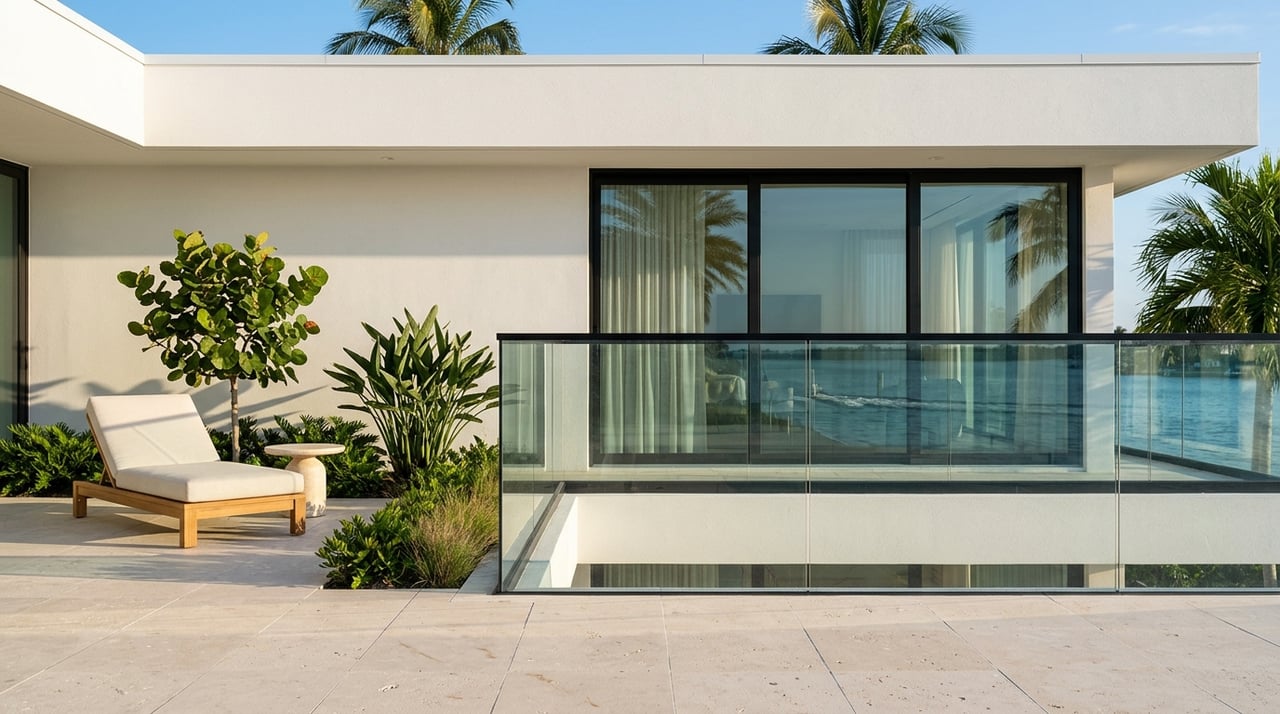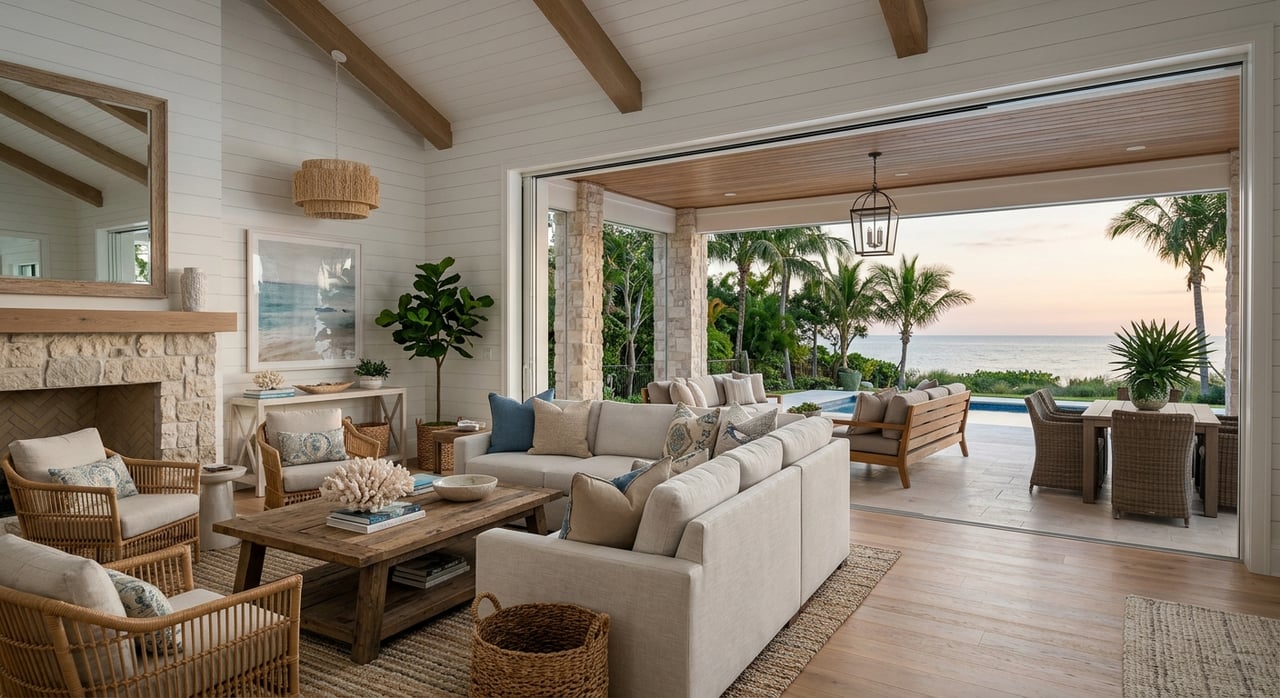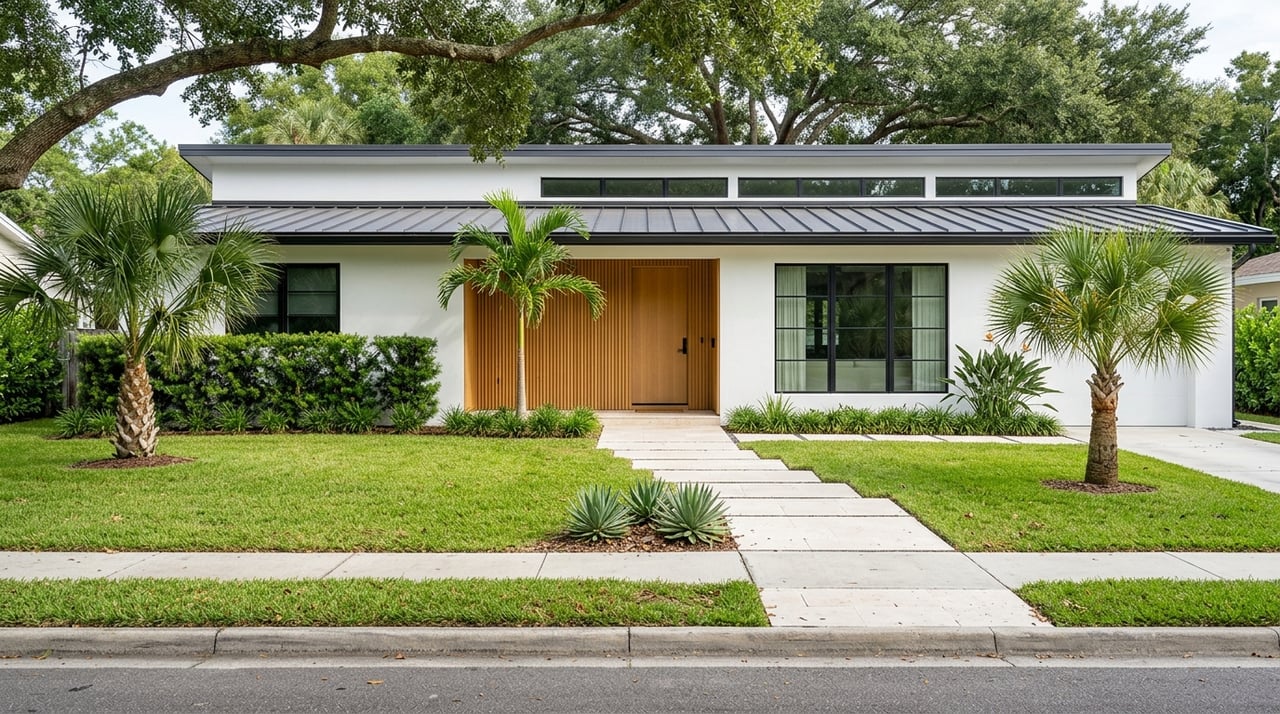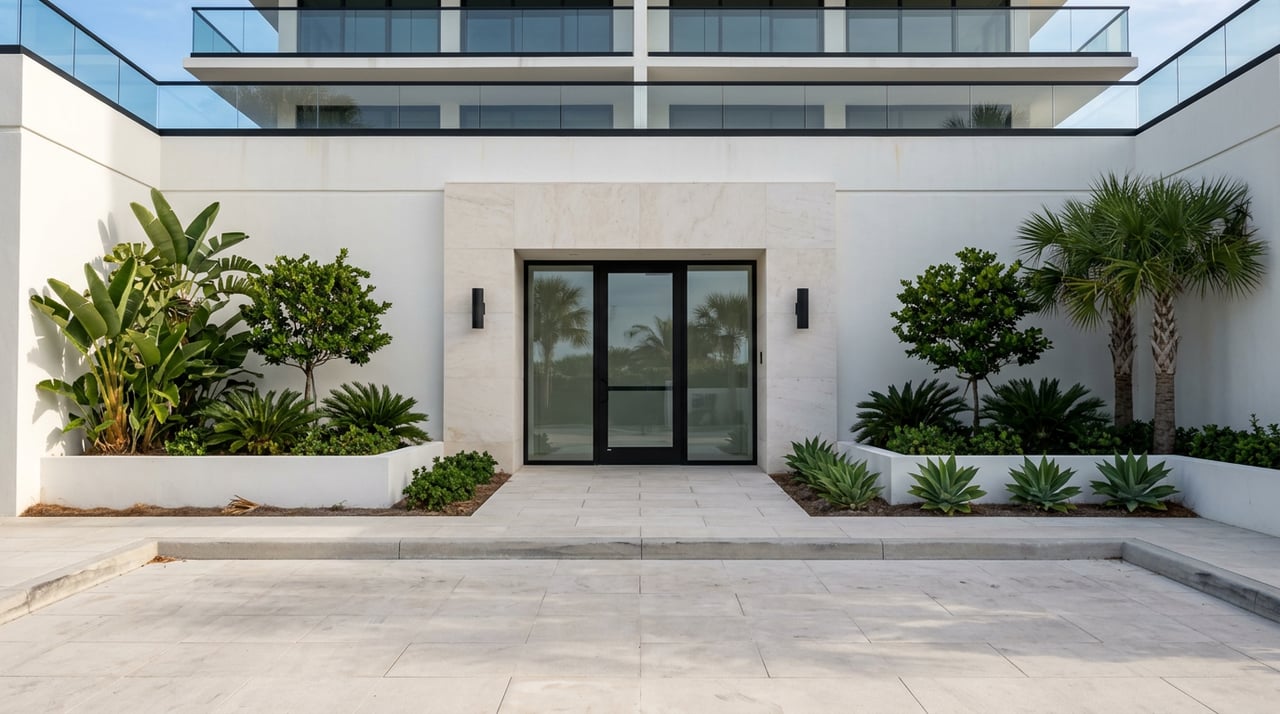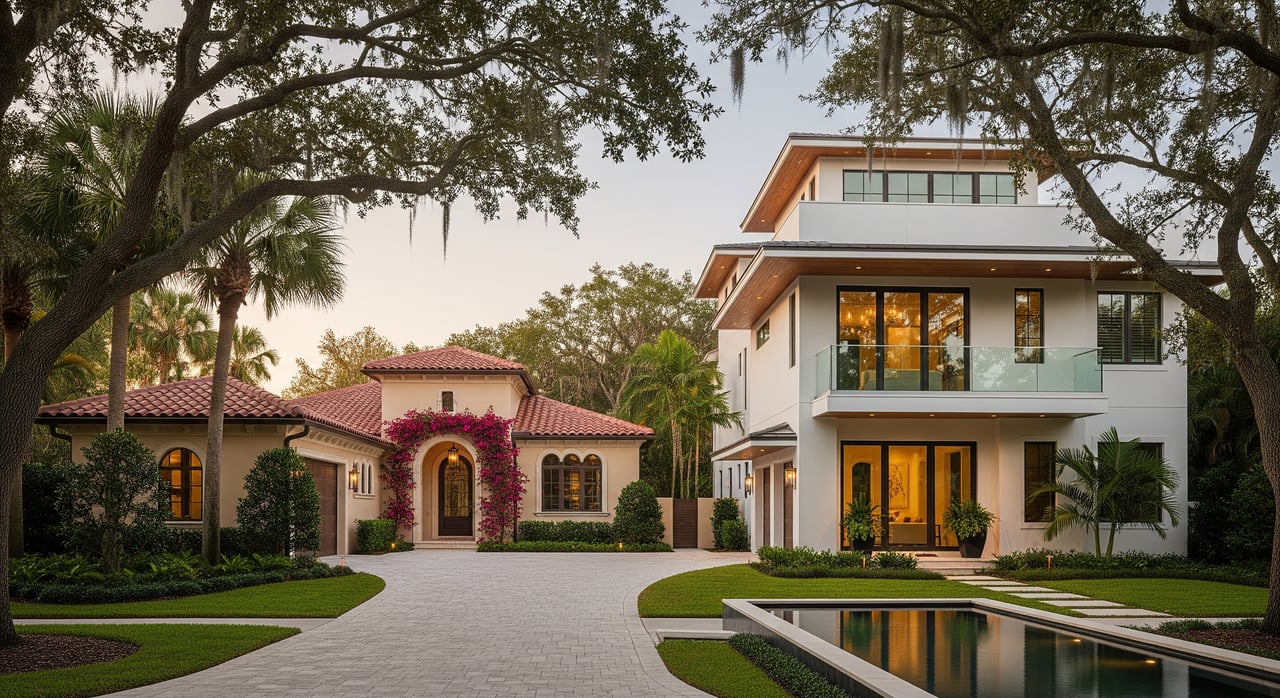
Thinking about a single-story or a two-story home in Arlington Park? You are not alone. Many downsizers and growing families wrestle with this choice because both styles fit Sarasota living in different ways. In this guide, you will compare how each option works with our local climate, lots, and lifestyles, plus get an on-the-ground checklist to use when you tour homes. Let’s dive in.
Your lifestyle and layout
Single-story advantages
Single-level living keeps daily life simple. You avoid stairs, which helps with mobility, carrying groceries, and hosting guests comfortably. It is also easier to plan for aging in place with wider doorways and zero-step entries.
Two-story advantages
Two stories often create a natural separation between gathering spaces and bedrooms. That can be ideal if you work from home, have kids with different schedules, or host multi-generational visits. You can gain more bedrooms and baths without needing a larger lot.
Arlington Park fit
In Arlington Park, downsizers often prefer single-story homes for accessibility. Growing families tend to favor two-story layouts for bedroom count and privacy. Start by ranking your must-haves: bedroom count, office needs, and where you want the primary suite.
Lot use and outdoor space
When yard space matters
For the same interior square footage, a single-story spreads out more on the lot, which can reduce contiguous yard area. A two-story uses a smaller footprint, often leaving more room for a pool, larger patio, or gardens. That tradeoff matters on modest Arlington Park lots where outdoor living is a priority.
Connection to the outdoors
Single-story plans often offer level transitions to patios and lawns, which encourages indoor-outdoor flow. Two-story homes can add privacy or neighborhood views from upper floors. Walk the property to see where the sun lands and how the spaces connect with your daily routine.
Stairs and accessibility
Stairs can be a barrier for some, and retrofitting later with an elevator is possible but costly. If you are planning to age in place, a single-story is naturally adaptable for universal design. If you prefer a two-story, look for a ground-level primary suite and safe, uniform stairs with proper handrails.
Comfort, HVAC, and energy
Sarasota’s long cooling season means efficient HVAC is critical. In two-story homes, upstairs rooms can run warmer. Zoning, good attic insulation, radiant barriers, and properly sized systems help even out temperatures. In both styles, inspect ductwork, attic insulation type and R-value, and the age and capacity of the HVAC system. Many older Sarasota homes benefit from HVAC and insulation upgrades.
Storm and flood resilience
Hurricane preparedness and flood awareness are part of smart Sarasota ownership. Review roof condition, wind mitigation features like straps and clips, and window protection. If a property is in a FEMA flood zone, confirm the base flood elevation and ask for an Elevation Certificate. A two-story can place living areas higher, which may reduce exposure in some cases, but it is not a complete solution. Always verify elevation, insurance implications, and any past storm or flood damage disclosures.
Maintenance and long-term costs
Two-story exteriors often cost more to maintain because of height and access. Second-floor windows and gutters are harder to service. Single-story homes are usually easier and less expensive to maintain, though both styles in Sarasota require moisture management and termite prevention. Ask for pest control history and look for recent exterior maintenance and re-roof permits.
Resale considerations
Buyer demand varies by household type. Single-story homes often appeal to retirees and downsizers, while two-story homes may attract families that want more bedrooms on a smaller lot. Ask your agent for Arlington Park comparables to see how each style has performed recently, including days on market and price trends.
Arlington Park buyer checklist
Use this checklist during tours and inspections to compare single-story and two-story options.
Property basics
- Confirm lot size, setbacks, and how the sun moves across the yard.
- Verify if the home is on municipal sewer or septic.
Structural and envelope
- Roof age, material, and wind mitigation features like straps or clips.
- Foundation type and any visible settlement or cracking.
- Attic access, insulation type and R-value, and presence of a radiant barrier.
- Window status and protection method, plus exterior siding condition.
HVAC, plumbing, electrical
- HVAC age and capacity. Is the system zoned for two stories? Ductwork condition.
- Water heater age and type.
- Plumbing materials and any signs of leaks.
- Electrical panel capacity and any unsafe or outdated wiring.
Flood, elevation, and insurance
- FEMA flood zone status and Elevation Certificate if applicable.
- Current flood and wind insurance premiums and any claims history.
- Any history of storm or flood damage and documented repairs.
Accessibility and layout
- Two-story: ground-level primary suite and safe, uniform stairs.
- Single-story: potential to add a bedroom or flex space without major expansion.
Maintenance and pest history
- Termite and Wood Destroying Organism reports.
- Exterior painting, roof replacement, and re-roof permits.
- Deferred maintenance items you might negotiate.
Permits and additions
- Permit history for additions or second-story conversions.
- If considering a future second-story, request a preliminary structural feasibility review.
Neighborhood and lifestyle
- Proximity to parks, shopping, and transportation.
- Any HOA rules that may affect exterior changes, pools, or additions.
Specialists to hire
- Licensed home inspector experienced with coastal and hurricane issues.
- Structural engineer for second-story feasibility.
- HVAC contractor for sizing and zoning review.
- Floodplain specialist or surveyor for elevation questions.
- Pest and WDO inspector.
Quick decision guide
- If mobility or future aging in place comes first: choose a single-story or a two-story with a main-level primary suite and plan for universal design features.
- If bedroom count and separation of spaces matter most: a two-story can deliver more rooms while preserving yard space. Confirm stair safety and upstairs comfort.
- If outdoor living is a top priority: two-story footprints can free up yard area for a pool or larger patio. Verify setbacks and pool permitting constraints.
- If flood risk is your concern: evaluate elevation and whether principal living areas sit above the base flood elevation. Higher floors help in some scenarios but do not replace wind and flood preparation.
- If minimizing ongoing costs is key: single-story homes are generally easier to maintain. For either style, roof age and exterior condition matter.
- If future resale flexibility matters: consider Arlington Park’s buyer mix and recent comps for both styles.
Local due diligence resources to check
When you identify a property, confirm details through official channels. Review parcel data with the Sarasota County Property Appraiser. Check flood zone status via FEMA and Sarasota County GIS. Confirm permitting history through the city or county building department. If utilities matter for your plans, contact local providers to verify water, sewer, and stormwater details.
Your next step
Choosing between single-story and two-story in Arlington Park comes down to how you live, your comfort in our climate, and your long-term plans. With a clear checklist and local insight, you can compare homes confidently and focus on the ones that fit best.
If you want a curated short list, guidance on flood and permit records, or a strategy for resale value, request a private consult with Stacey King. You will get attentive, locally expert support and a process designed for clarity and confidence.
FAQs
Will a two-story be harder to cool in Sarasota?
- Upstairs rooms often run warmer. Look for proper attic insulation and radiant barriers, HVAC zoning or a separate upstairs system, and correct sizing and ductwork.
Is a single-story safer for hurricanes?
- Not by default. Resilience depends on roof structure, impact-rated openings or shutters, wind tie-downs, and elevation. Higher living areas can help with flood exposure in some cases.
Can I add a second story later in Arlington Park?
- It is possible but typically expensive. You will need structural evaluation, foundation review, permits, and time for construction. Consult a structural engineer and the building department early.
How do insurance costs compare by home style?
- Premiums depend on flood zone, roof age and condition, construction quality, mitigation features, and prior claims. Height alone is not a main driver. Get local quotes early in your search.
Which style sells faster in Arlington Park?
- It varies with buyer demand. Downsizers often prefer single-story, while families may target two-story. Ask for recent comps and days-on-market data for both types.