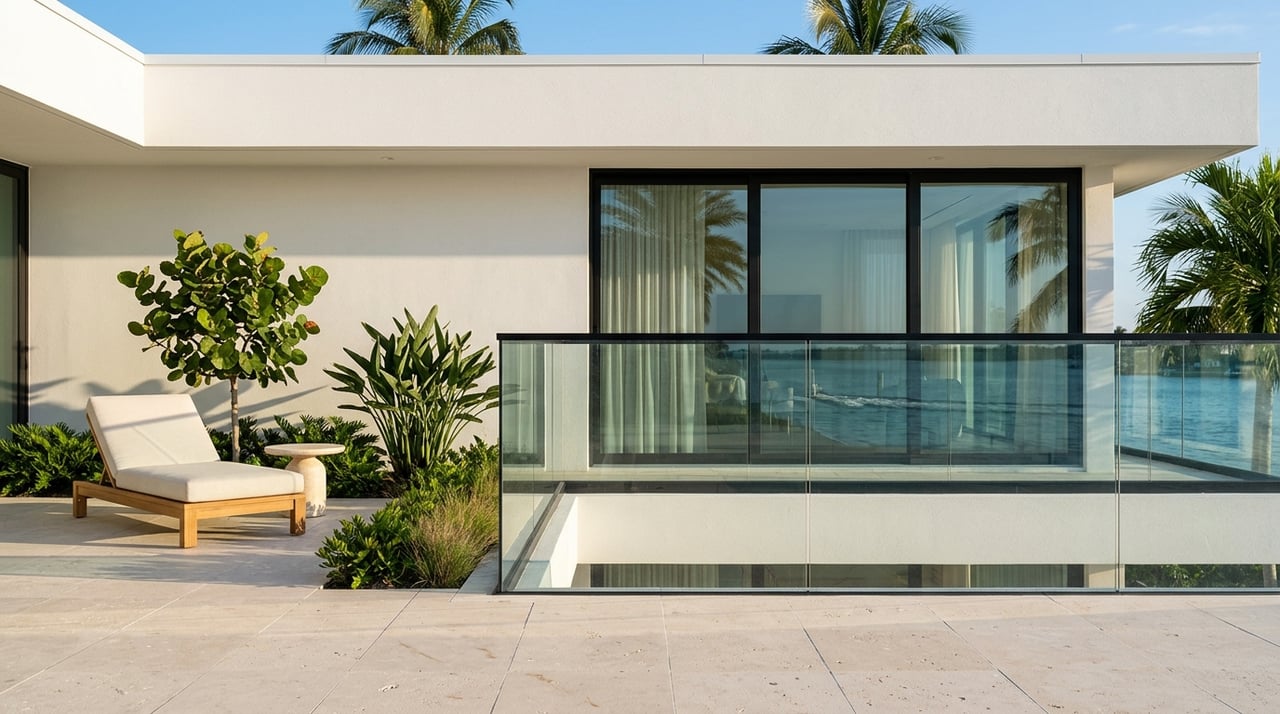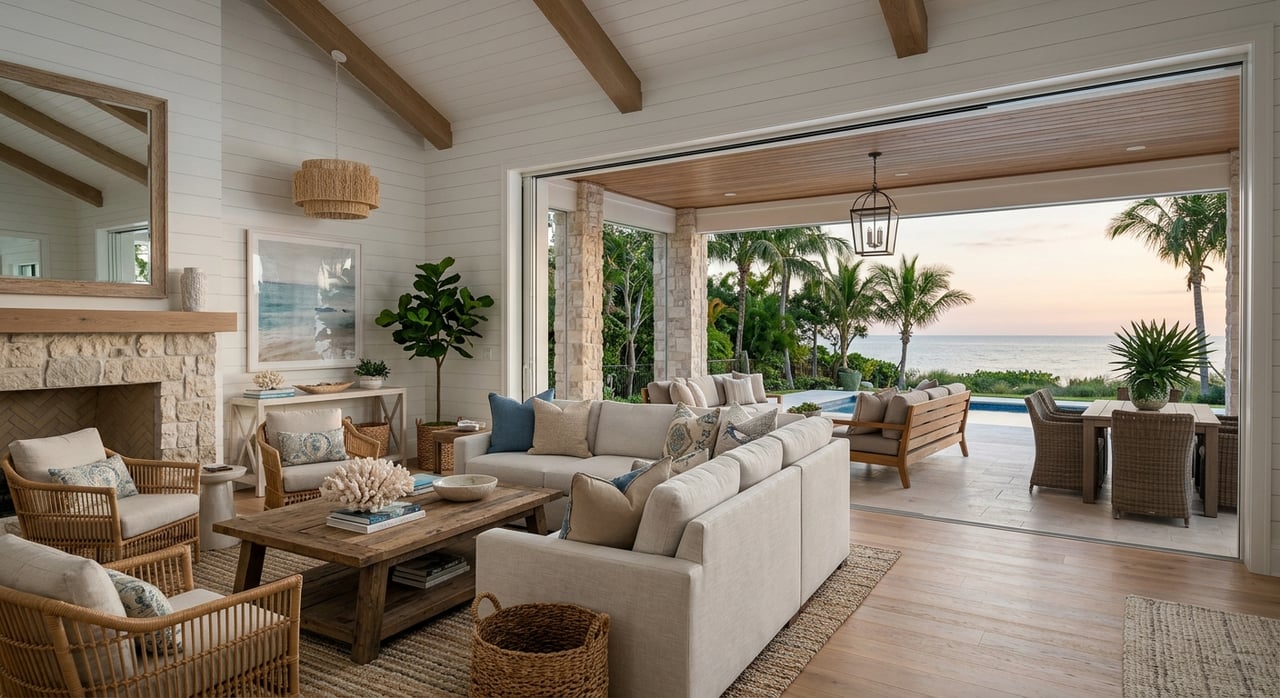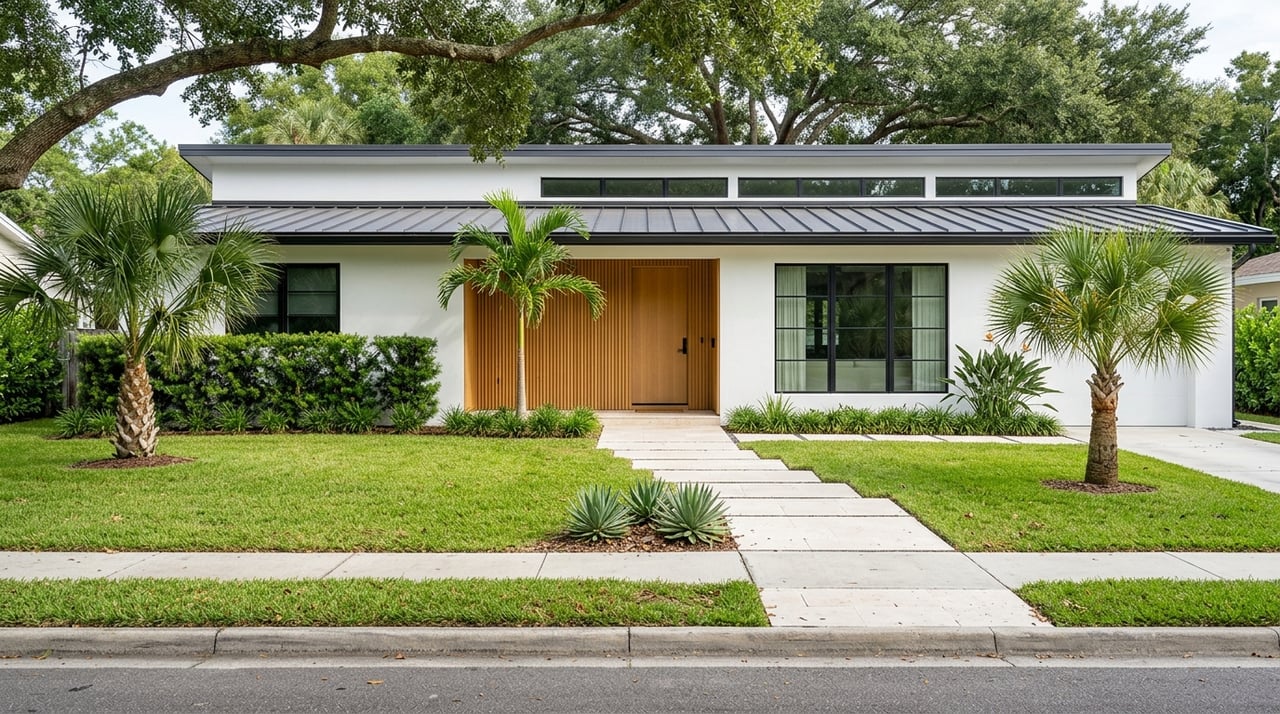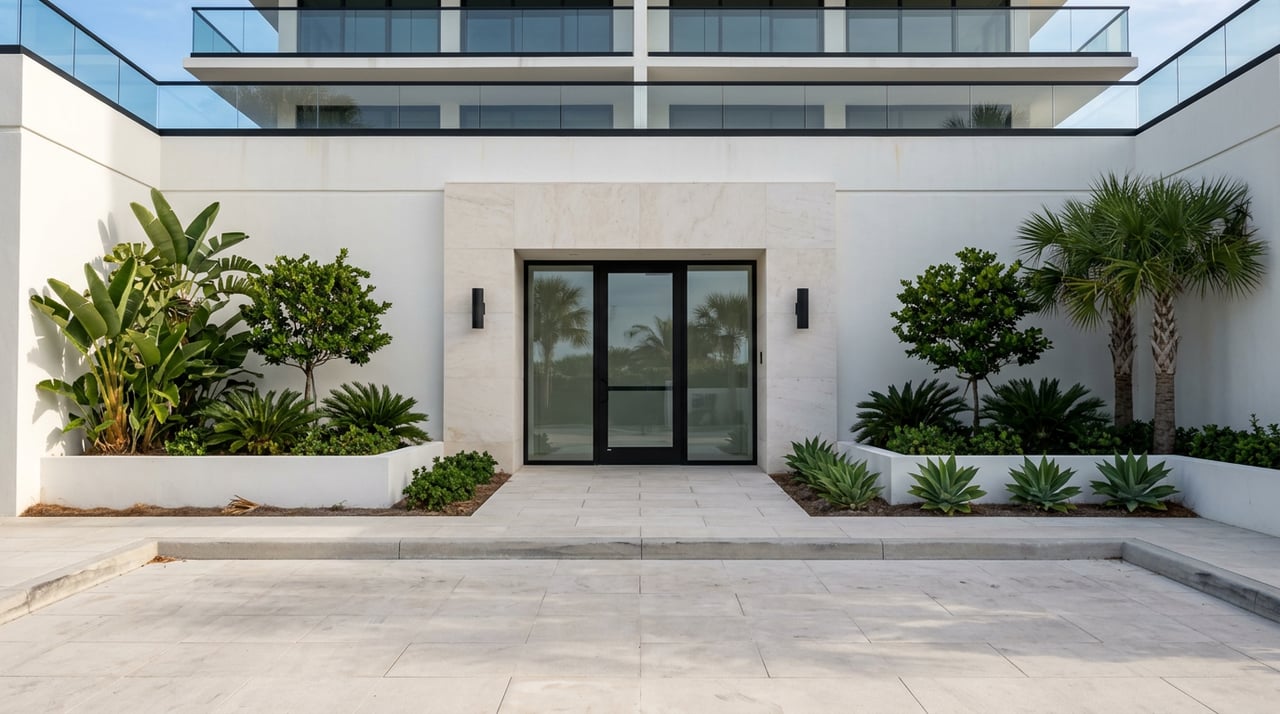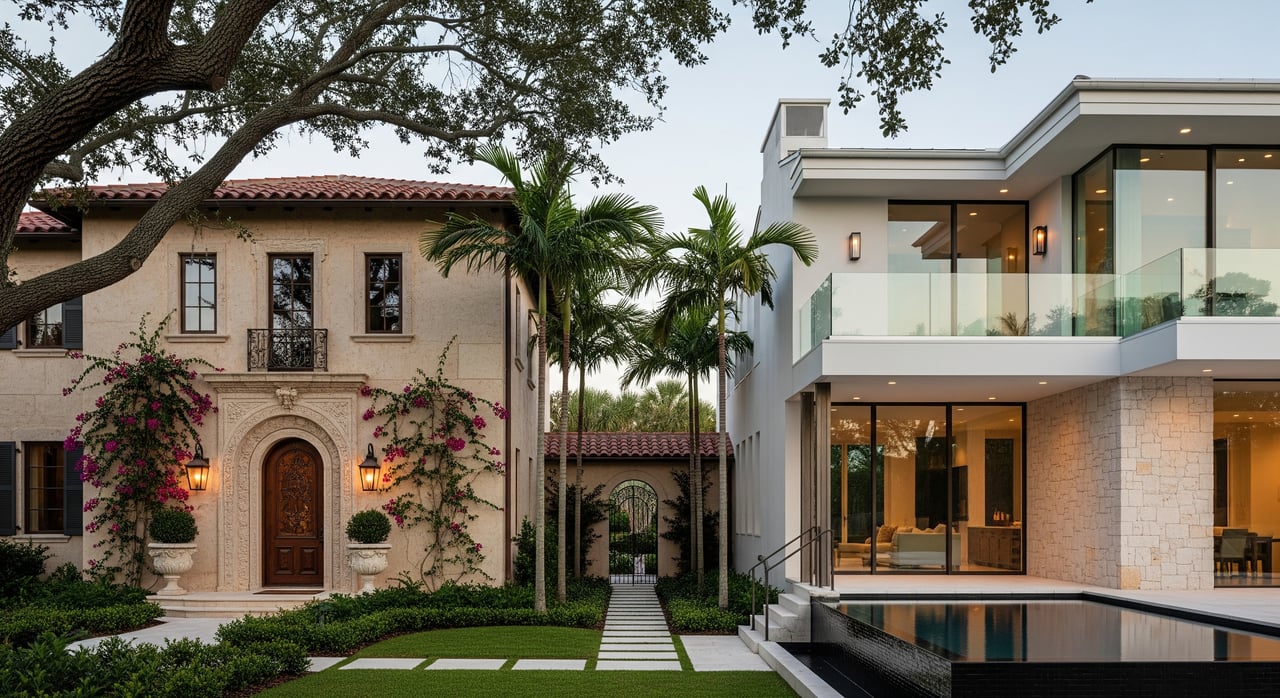
Torn between a sleek new build and a charming historic home West of the Trail in 34239? You are not alone. Both options offer real advantages in Sarasota’s hot-humid, hurricane-prone climate, and each comes with different costs, maintenance, and insurance realities. This guide gives you a clear, local-side comparison plus practical steps so you can move forward with confidence. Let’s dive in.
What “West of the Trail” means in 34239
West of the Trail refers to the area west of U.S. 41, also called the Tamiami Trail. In 34239, you’ll see a blend of older, tree-lined streets with mid-century and early-20th-century homes alongside modern infill construction. Proximity to downtown, parks, and daily conveniences is a common draw.
Because character changes block by block, always verify the property’s exact address for flood zone, zoning, and any historic overlay before you write an offer. You can confirm flood status through the FEMA Flood Map Service Center and cross-check parcel details with the Sarasota County Property Appraiser.
New build highlights in Sarasota’s 34239
Structure and codes
New construction must meet the current Florida Building Code, which drives hurricane resilience, roof assemblies, and wind connections. These code standards can improve your eligibility for insurance discounts and peace of mind during storm season. Builders also follow local enforcement by city or county officials, which adds another layer of quality control.
Systems and efficiency
You can expect modern HVAC sized to code, better duct sealing, and higher-efficiency windows and doors. Many builders include ENERGY STAR appliances and LED lighting. These features typically lower cooling costs and reduce maintenance in the first years of ownership.
Maintenance and warranty
In the first 5 to 10 years, you are mainly handling routine maintenance. Builder warranties often cover defects for the home’s major systems and finishes. Ask for written warranty terms and make sure your punch-list items are complete before closing.
Insurance and costs
Newer roofs, impact-rated windows, and documented wind-mitigation features can unlock better coverage options and lower premiums. Pair your due diligence with a wind-mitigation inspection to capture credits with your insurer.
Historic home advantages and trade-offs
Character and architecture
Historic and older homes West of the Trail often reflect bungalow, Mediterranean, ranch, and mid-century modern influences. Mid-century modern properties tied to the Sarasota School of Architecture can be particularly prized by design-minded buyers. Mature lots and established streetscapes add to the appeal.
Common upgrades and risks
Older homes may predate modern code updates. That can mean older roof-to-wall connections, single-pane windows, and outdated electrical or plumbing. You may need near-term investments in roofing, HVAC, electrical panels, or window replacements to meet your comfort and insurance goals.
Inspections to prioritize
Beyond a general home inspection, line up a termite inspection, a wind-mitigation inspection, and specialists for electrical and plumbing if the systems are dated. If you see settlement cracks or major additions, consider a structural engineer’s review. If a property is in or near a designated district, confirm modification rules with the City of Sarasota Historic Preservation Office.
Insurance and financing
Insurance can be higher when older features lack modern mitigation. Wind upgrades often help. If the home needs substantial work, ask your lender about renovation loan options and appraisal requirements. Timing repairs and credits correctly can keep your financing on track.
Flood, wind, and termites: local realities
Sarasota’s hot-humid, coastal climate demands attention to moisture control, wind, and pests. Verify any property’s flood zone using the FEMA Flood Map Service Center and request an elevation certificate if needed. For hurricane resilience, current code features in new builds and documented roof-to-wall connections can materially affect premiums.
Termites are a fact of life in Florida. Review the seller’s pest history, ask for treatment records, and follow best practices outlined by the Florida Department of Agriculture & Consumer Services. In older homes, look for signs of prior damage or moisture problems and budget for remediation if needed.
Appraisal, resale, and negotiation
Historic homes can command premiums when architectural significance and neighborhood demand align. Appraisers rely on comparable sales, so unique features must be supported by the market to reflect in value. New builds can also face appraisal gaps in fast-changing areas with limited comps; appraisers may use nearby sales and cost approaches to bridge differences.
When negotiating a new build, focus on upgrades, closing cost contributions, and warranty clarity. For older or historic homes, use inspection findings to request seller credits or repairs, and consider contingencies for roof, pest, and structural items. Local time-on-market and neighborhood comps, which you can track through Sarasota Association of REALTORS market reports, can strengthen your strategy.
A simple decision framework
Use this quick side-by-side to clarify your priorities.
New build:
- Pros: modern layouts, energy efficiency, code-level hurricane resilience, warranties, lower near-term maintenance.
- Considerations: less mature landscaping, fewer one-of-a-kind architectural details, possible appraisal gaps if inventory is limited.
Historic or older home:
- Pros: character, mature lots, walkable settings in established neighborhoods, potential architectural significance.
- Considerations: near-term system upgrades, higher specialty maintenance, possible insurance premiums without mitigation, renovation design constraints if designated historic.
What to compare on every property
- Age and condition of roof, HVAC, electrical, and plumbing
- Roof-to-wall connections and window type or opening protection
- Insulation levels and energy features
- Termite history and moisture issues
- Flood zone, elevation, and site drainage
- Lot size, canopy trees, grading, and runoff
- Historic designation or overlay rules
- HOA rules or builder covenants, if any
- Warranty documentation for new builds or recent contractor work
- Comparable sales and typical days on market nearby
Smart next steps in 34239
Verify the essentials. Confirm flood zone with the FEMA Flood Map Service Center and review parcel data through the Sarasota County Property Appraiser. If the home may be historic or in a district, contact the City of Sarasota Historic Preservation Office early.
Plan inspections. Schedule a general inspection, termite inspection, and wind-mitigation review. For older homes, add licensed specialists for electrical and plumbing and consider a structural engineer if you see signs of settlement.
Budget insurance and efficiency. Ask your insurance agent about wind credits and how impact windows, roof tie-downs, and roof age influence premiums, referencing guidance from the Florida Office of Insurance Regulation. If you are exploring solar or major efficiency upgrades, confirm incentives through the IRS Residential Clean Energy Credit and the DSIRE incentives database.
Align to codes and timelines. If you pursue a new build, review inclusions against the Florida Building Code and get warranty details in writing. For historic properties, factor in potential design review timelines before committing to exterior changes.
Craft a negotiation plan. For new builds, target upgrades, timelines, and punch-list completion. For older homes, leverage inspection findings for credits or repairs and structure contingencies that protect your financing.
Ready to compare specific West-of-Trail homes with a clear, data-driven plan? Connect with Stacey King for curated options, inspection and insurance strategy, and skilled negotiation tailored to 34239.
FAQs
What does “West of the Trail” mean in Sarasota’s 34239?
- It refers to neighborhoods west of U.S. 41, where you’ll find a mix of older homes and new infill near downtown, with character varying block by block.
How do insurance costs differ for historic versus new homes in Sarasota?
- New builds often qualify for better rates due to impact openings and recent roofs, while older homes without mitigation may see higher premiums until upgrades are completed.
What inspections are essential for an older West-of-Trail home?
- Get a general inspection, termite inspection, wind-mitigation review, and specialists for electrical and plumbing; consider a structural engineer if you see settlement or major alterations.
Will a new build always have lower utility bills in 34239?
- Typically yes, thanks to modern HVAC, insulation, and windows, but your usage and specific installed features ultimately determine monthly costs.
How can I check flood risk before I make an offer in 34239?
- Verify the exact address in the FEMA Flood Map Service Center and request an elevation certificate or drainage information as part of your due diligence.
Can I remodel the exterior of a historic home in Sarasota?
- Often yes, but if the property is designated or in a historic district, you must follow local design review rules; confirm details with the City’s Historic Preservation Office.