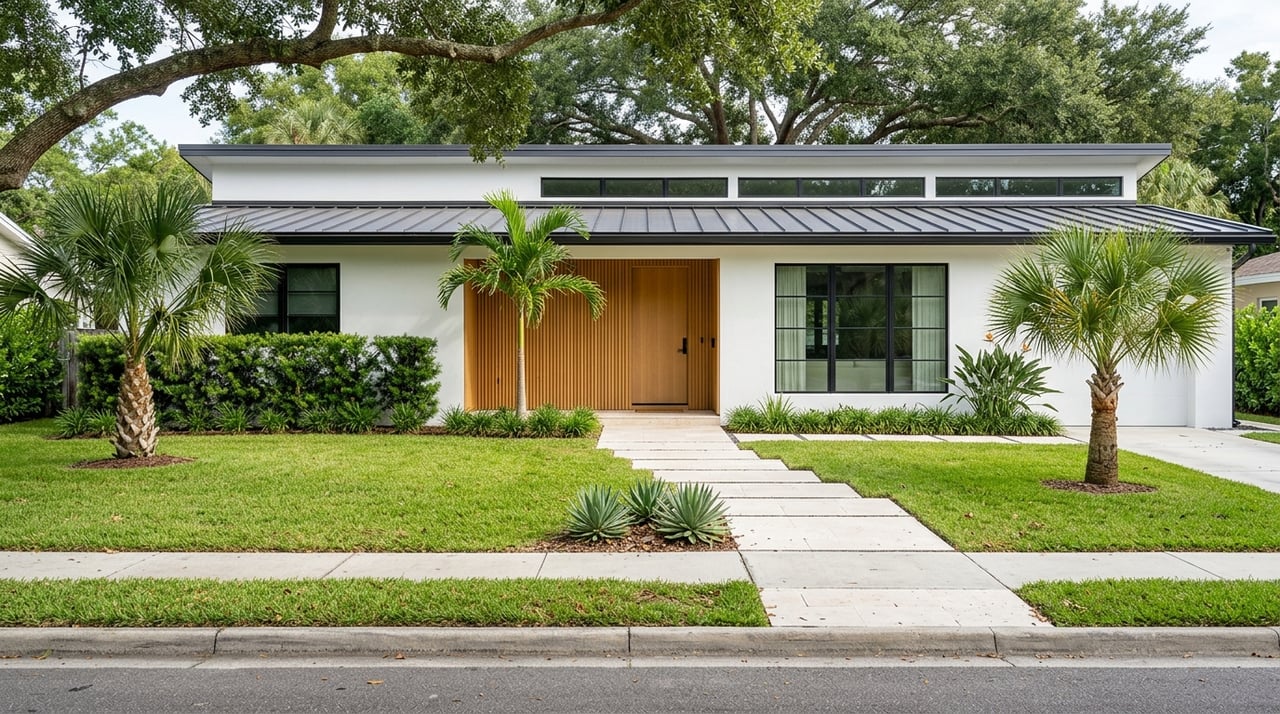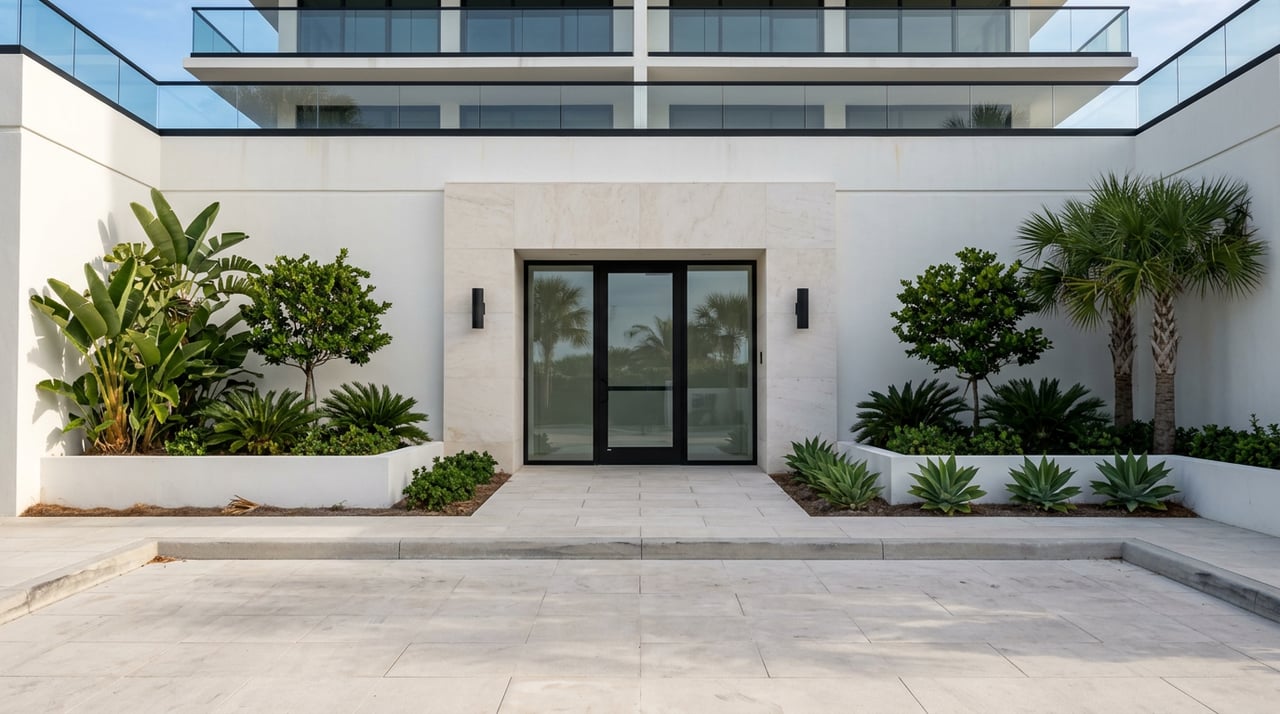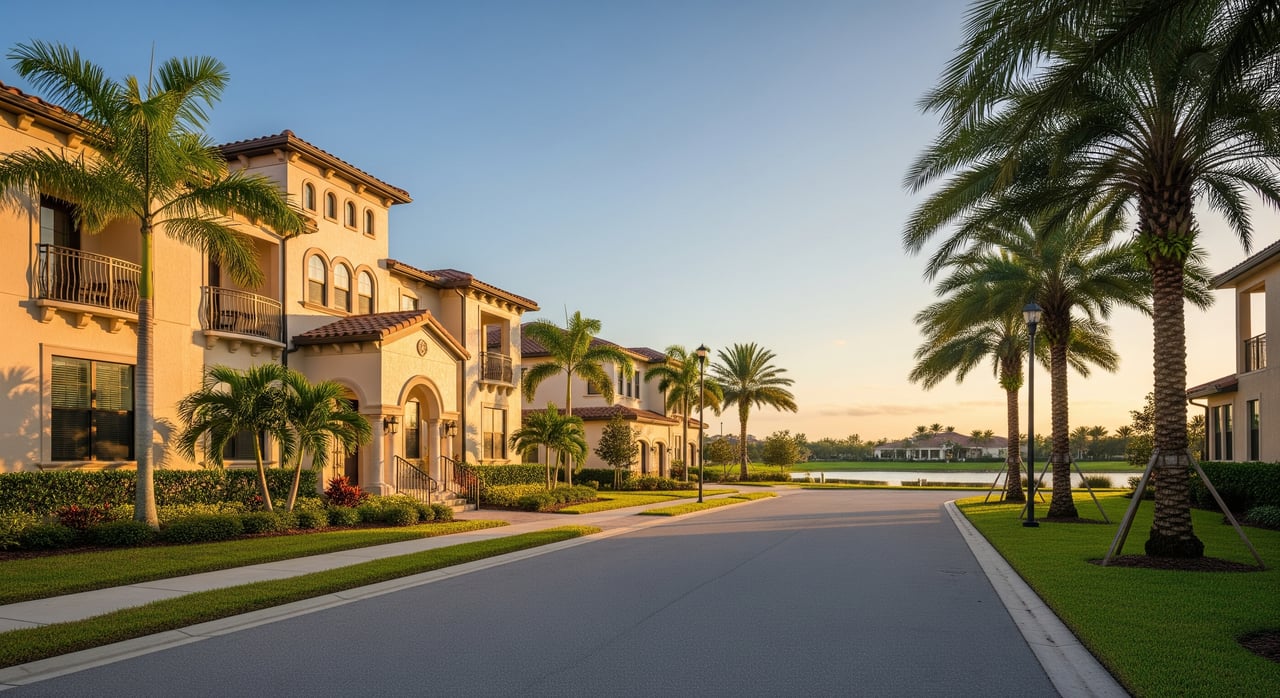
Torn between a low-maintenance condo and a single-family home in an HOA community in Lakewood Ranch? You are not alone. If you are upsizing or relocating to Manatee County, understanding how ownership, fees, rules, and financing differ will help you match the right property to your lifestyle and budget. This guide breaks down the essentials so you can buy with confidence. Let’s dive in.
Ownership models in Lakewood Ranch
HOA single-family basics
In most single-family neighborhoods, you own the land and the home in fee simple. Your homeowners association enforces covenants and maintains common areas such as entry features, landscaping, and shared amenities if the neighborhood has them. You typically handle your own roof, exterior paint, driveway, and yard care unless the HOA contracts for those services in your specific community. Florida’s homeowners’ association rules are set by Florida Statutes, Chapter 720.
Condominium ownership basics
In a condominium, you own your interior unit and a proportionate interest in the common elements. The association manages exteriors, roofs, building systems, elevators, hallways, and shared amenities. A master insurance policy usually covers the building shell and common elements, while you carry an HO-6 policy for your interior finishes and personal property. Condominium structure and disclosures are governed by Florida Statutes, Chapter 718.
Layered governance in Lakewood Ranch
Lakewood Ranch is a large master-planned community, and some neighborhoods include more than one layer of governance. You may have a neighborhood HOA or condo association plus broader community amenities or a Community Development District. What each entity maintains and which fees apply varies by neighborhood. Reviewing recorded documents and budgets will clarify who maintains what and which amenities are included. You can explore the community framework and amenities at the Lakewood Ranch official site.
What your fees cover
HOA dues in single-family neighborhoods
HOA fees typically fund common-area landscaping, entry features, neighborhood amenities if present, management, and reserves. They usually do not cover your personal roof, exterior paint, or yard maintenance. Some Lakewood Ranch HOAs bundle lawn care or exterior services, so verify the scope for the specific neighborhood before you write an offer.
Condo dues and master insurance
Condo assessments generally fund exterior building maintenance, roof and structural repairs, elevators, common-area utilities, landscaping of common grounds, the master insurance policy, reserves, and management. Since the association maintains the building envelope and many shared systems, dues can be higher than HOA fees on a per-home basis, but they replace many individual maintenance costs.
CDD assessments on your tax bill
Many Lakewood Ranch neighborhoods are within a Community Development District. CDDs are special-purpose units that finance roads, utilities, and other infrastructure under Florida Statutes, Chapter 190. The assessment appears on your annual property tax bill and is separate from HOA or condo dues. The amount can be several hundred to several thousand dollars per year depending on the bond financing. Always confirm whether a CDD applies to the parcel and verify the current amount on the tax bill with the Manatee County Property Appraiser.
Reserves, assessments, and financial health
Both HOAs and condos adopt annual budgets and should maintain reserves for major repairs. If reserves are underfunded, associations may levy special assessments or increase dues. Review the most recent budget, reserve study, year-end financials, and meeting minutes to understand the risk of near-term fee changes. The Community Associations Institute provides best-practice guidance on reserves and governance that can help you frame the right questions.
Financing and lender considerations
Loans for HOA homes vs condos
Single-family homes in HOAs usually finance like other stand-alone homes using conventional, FHA, or VA loans, subject to normal underwriting. Condominiums require the building to meet lender or agency rules. If you plan to use FHA or VA financing, confirm whether the project appears on the FHA condominium approval list or meets lender-specific condo standards. Lenders also review association financials, reserves, owner-occupancy, and any litigation when approving condo loans.
Taxes and homestead
Your property tax assessment and potential homestead exemption are applied to the parcel. Policies are statewide, but the Manatee County Property Appraiser administers local assessments and exemptions. Ask how common elements are treated for condos and confirm any assumptions with the county before you finalize your budget.
Maintenance and lifestyle fit
Hands-on vs lock-and-leave
If you want private outdoor space and more square footage, a single-family home in an HOA likely fits better, but expect more personal maintenance. If you prefer a lower-maintenance lifestyle, a condo often offers lock-and-leave convenience because the association handles exterior care. Villas that function under a condo or association structure can offer a hybrid option with minimal exterior upkeep.
Amenities and memberships in Lakewood Ranch
Lakewood Ranch features pools, fitness centers, trails, parks, clubs, and community events. Some amenities are included within the neighborhood’s dues, while others are optional or part of separate membership programs. Review neighborhood documents to confirm which amenities are included, whether any club memberships are mandatory, and what guest or use policies apply. For a sense of the broader amenity landscape, explore the Lakewood Ranch community overview.
Rules, governance, and resale impact
Common restrictions to review
Both HOAs and condos enforce covenants and rules that can affect your daily life and resale. Expect architectural guidelines, parking rules, limits on short-term rentals, and pet policies. These vary by neighborhood, so request the rules and regulations, rental policy, and any caps on occupancy or leasing before you commit.
Developer control and board quality
In newer neighborhoods, the developer may control the board until turnover occurs. This timing affects budgeting, reserve funding, and transparency. Ask about turnover status, board composition, and how often reserve studies are updated. Stable management, clear vendor contracts, and consistent communication are positive indicators.
Resale documents and closing items
Condominium sales require specific disclosures under Florida Statutes, Chapter 718, including budgets, reserves, and pending assessments. HOA disclosures follow Chapter 720. In either case, the seller typically obtains an estoppel certificate confirming account standing and any assessments or legal issues. Your lender and title company will rely on these documents to clear the file.
Insurance differences you should know
Condo unit vs single-family coverage
Condo associations usually carry a master policy for common areas and often the building shell. You carry an HO-6 policy for interior improvements, personal property, and liability. Confirm whether the master policy is bare walls or all-in and note the deductible. For HOA homes, you typically insure the full structure with an HO-3 or HO-5 policy, while the association insures only common areas.
Wind and flood considerations
Florida homes face wind and hurricane exposure. Flood insurance is separate and may be required by your lender if the property is in a FEMA flood zone. Check the specific lot or building on the FEMA Flood Map Service Center and review association requirements. Ask how flood coverage, if any, is handled by the association and where your personal policy should pick up.
A Lakewood Ranch buyer checklist
Documents to request before you go under contract
- Declaration of covenants or condominium declaration and bylaws
- Current budget, most recent year-end financials, and interim statements
- Latest reserve study and the association’s reserve funding policy
- Meeting minutes from the past 12 months and notices of upcoming meetings
- List of recent or pending special assessments
- Estoppel certificate as part of the closing process
- Association insurance declarations, including deductibles and coverage limits
- Rental policy, any occupancy or rental caps, pet rules, and parking rules
- Developer control status and expected turnover timing
- CDD disclosure and the most recent tax bill showing the CDD amount
- FHA, VA, or lender approval status for condo projects if you plan to use those loans
Questions to ask the board or manager
- What exactly does the monthly fee include, and what is not included?
- Are any club or amenity memberships optional or mandatory?
- What is the current owner delinquency rate?
- Are there pending lawsuits against the association?
- Have there been recent special assessments, and are any planned?
- How often are reserve studies updated, and what percentage of reserves is funded today?
- For condos, does the project meet FHA, VA, or common conventional requirements?
Which option fits your goals
- Choose an HOA single-family home if you want more space, a yard, and control over your property, and you are comfortable managing more maintenance.
- Choose a condo if you value reduced maintenance, building services, and a lock-and-leave lifestyle, and you are comfortable with association rules and higher shared fees.
- In both cases, prioritize strong reserves, clear rules, and transparent governance. These factors support a smoother ownership experience and can help protect resale value.
When you are ready to explore specific Lakewood Ranch neighborhoods, get a second set of eyes on the documents and a plan for your financing and insurance. For concierge-level guidance and a curated search that fits your lifestyle, connect with Stacey King. Request a Private Consultation.
FAQs
What is the core difference between HOA and condo ownership in Lakewood Ranch?
- In an HOA single-family home you own the land and the structure and the association maintains common areas, while in a condo you own the interior unit and share ownership of the building’s common elements that the association maintains.
How do CDD fees work in Manatee County parts of Lakewood Ranch?
- CDDs fund community infrastructure and the assessment appears on your property tax bill as a separate line item from HOA or condo dues under Florida Statutes Chapter 190.
Are condos harder to finance than single-family homes in Lakewood Ranch?
- Often yes, because lenders review condo project approval, reserves, owner-occupancy, and any litigation, so confirm if the project meets FHA, VA, or lender-specific standards early.
What insurance do I need for a condo vs an HOA home in Lakewood Ranch?
- Condo owners typically carry an HO-6 policy for interior finishes and contents while the association holds a master policy, and HOA homeowners usually carry HO-3 or HO-5 policies for the full structure with the HOA insuring only common areas.
Which fees are usually higher, condo dues or HOA dues?
- Condo dues are often higher because they cover exterior building maintenance, shared systems, and a master policy, while HOA dues can be lower but you pay more of the maintenance directly.
What documents should I review before buying in a Lakewood Ranch association?
- Request the declaration, current budget, financials, reserve study, meeting minutes, insurance declarations, rental and pet policies, CDD disclosure, and an estoppel certificate to confirm account standing.