You found a condo you love on Longboat Key, but you keep hearing about “milestone inspections.” What do they mean for your safety, budget, and timeline? You want a clear path so you can buy with confidence and avoid unwelcome surprises. In this guide, you’ll learn what milestone inspections are, how to read the reports, what to request from the association, and how to plan your next steps. Let’s dive in.
What is a milestone inspection?
A milestone inspection is a structural review designed to evaluate the condition of a condominium building as it ages. Florida adopted statewide reforms after the Surfside tragedy to help identify deterioration early and improve reserve planning in associations. These inspections are performed by qualified, licensed engineers or architects and are typically commissioned by the association.
Many programs use an initial inspection around a defined building age and then repeat at set intervals. A commonly cited pattern is an initial review near 30 years and then every 10 years. Since rules can change and some requirements vary by building type and location, confirm the current standard with the Florida Department of Business and Professional Regulation (DBPR) and the Town of Longboat Key or Manatee County building departments.
Associations must retain these reports as official records and make them available to owners and buyers, often through the manager or board. Ask for the most recent report early in your review.
What a milestone report includes
Core components to expect
- Building identification and history, including age, construction type, and number of stories.
- Inspection scope and limits, such as whether the review was visual or included limited testing.
- Structural elements: foundations, columns, slabs, beams, load-bearing walls, parking structures, and stairwells.
- Exterior envelope items: concrete, balconies, waterproofing, windows, doors, railings, and membranes.
- Signs of corrosion or deterioration like spalling and rebar issues.
- Life-safety notes within scope, such as railings and egress.
- Recommended repairs with urgency levels and a suggested timeline.
- Preliminary cost ranges and assumptions, plus credentials of the engineer.
How urgency is classified
Many reports group items into categories like immediate or critical, near-term, and long-term. Pay close attention to anything labeled immediate or critical. These items can trigger safety measures and fast-track repair funding needs.
How to read the report like a buyer
- Is there a clear list of repair items with cost estimates and timing?
- Does it identify any immediate safety concerns or restricted-use recommendations?
- How current is the report, and what has been repaired since? Ask for permits and contractor closeouts.
- Are assumptions about pricing, access, staging, and scope explained?
- Is there a phasing plan or implementation schedule tied to funding?
Important caveats
Scope varies. Many milestone inspections are primarily visual and may not reveal concealed issues. Cost ranges are preliminary until contractors bid the work. Engineers include standard disclaimers, so treat the report as a planning tool rather than a guarantee. You can always ask to speak with the engineer for clarity.
What it means for your budget
Milestone findings often flow into reserve studies and board planning. If reserves are not adequate for recommended structural repairs, the association may raise assessments or levy a special assessment. That affects your monthly cost of ownership and short-term cash needs.
Look at the reserve study, current reserve balance, and the building’s history with special assessments. Review board and membership meeting minutes from the last 12 to 24 months to see how the association is planning for repairs. Ask whether any assessments are pending and how the payment schedule will work.
If major work is planned, factor the timing into your affordability. Costs can influence your resale window and pricing strategy later. A well-run plan with transparent funding often supports long-term building health and market value.
Insurance and lender considerations
Coastal buildings face salt air, wind, and storm surge, which can accelerate wear on exterior concrete and metal components. Insurers consider both condition and reserves when underwriting the master policy. Large repair needs or inadequate reserves can push premiums higher and, in some cases, make coverage harder to obtain.
Lenders review condominium projects for structural condition and budget stability. Some loan programs have specific project-review standards that look closely at safety issues and reserves. If you plan to finance, check with your lender early to confirm whether the building meets their guidelines and to understand any conditions tied to assessments or repairs.
Coastal factors on Longboat Key
Longboat Key’s waterfront environment can intensify maintenance needs. Expect more frequent attention to:
- Concrete spalling and rebar corrosion from salt exposure.
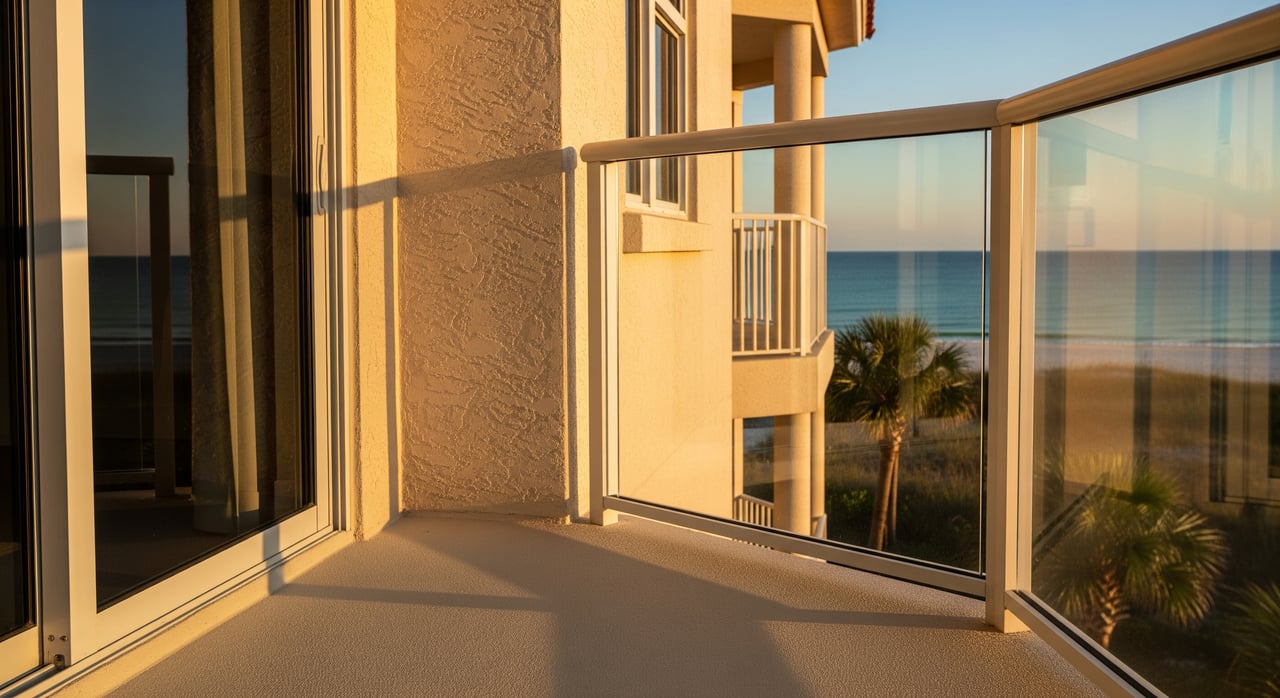
- Balcony and parapet repairs, including railings and membranes.
- Roof and exterior waterproofing affected by wind and UV.
- Corrosion of exterior fasteners and connectors.
- Hurricane-related performance of windows, doors, and overheads.
Major structural work typically requires permits from the Town of Longboat Key or Manatee County and compliance with current building codes. Contractor availability and permitting can extend timelines, so ask how scheduling and staging will be handled.
Documents to request before you commit
Ask for these items early in your contingency period. Seeing the full picture will help you decide with confidence.
- Most recent milestone inspection report and any follow-up engineering reports.
- Reserve study, current financials, and reserve fund balance.
- Current-year budget and the last 12 to 24 months of board and membership meeting minutes.
- Details on pending or planned special assessments, with amounts and payment schedules.
- Records of completed repairs tied to prior inspections, including permit numbers, contractor documentation, warranties, and lien releases.
- Current master insurance policy and declarations page, including deductibles and wind coverage.
- Any ongoing litigation, code enforcement notices, or insurance claims related to structural issues.
- Association communications that show how milestone findings will be funded and scheduled.
Local records worth checking
- Permit history with the Town of Longboat Key or Manatee County, including inspection status.
- Town code enforcement or planning notes relevant to coastal building requirements.
- FEMA flood zone determinations and base flood elevation as they may affect flood insurance needs.
- Manatee County property appraiser data for building age and property details.
Smart questions to ask the HOA or seller
Use this quick checklist to frame your conversations.
- When was the last milestone inspection performed? Please provide the full report.
- Which repairs are completed? Share permits, receipts, warranties, and lien releases.
- What items remain, what are the estimated costs, and how will they be funded?
- What is the current reserve balance, and is there a plan tied to inspection findings?
- Are any special assessments pending or planned? What are the amounts and timelines?
- Is there related litigation, code enforcement, or an insurance claim?
- Can I speak with the engineer to clarify severity and phasing?
- Are there any occupancy or use restrictions tied to safety recommendations?
Red flags that merit caution
- A report that lists immediate or critical issues without a clear funding plan.
- Minimal reserves with a pattern of repeated shortfalls.
- Recurring special assessments for structural work with incomplete repairs.
- No permits or missing inspection sign-offs for major work.
- Active litigation related to structural failures or maintenance.
- Reports of uninsurability or very high premiums for the master policy.
Negotiation and contingency tools
- Condition-based contingency for satisfactory review of the milestone report and a documented plan for critical repairs.
- Escrow holdback or price adjustment tied to verified repair costs, arranged with your closing team.
- Require evidence that critical repairs have permits, passed inspections, and that liens have been released.
A clear path to the closing table
Here is a straightforward sequence to follow as you evaluate a Longboat Key condo:
- Request and read the latest milestone report, reserve study, financials, and meeting minutes.
- Verify completed repairs through permits and lien releases with the town or county.
- Ask for the written plan and funding source for any outstanding structural items.
- Confirm with your lender that the building meets project review standards for your loan type.
- Obtain an insurance quote for the unit, including flood if required.
- If significant issues appear, consider an independent review by a qualified structural engineer and consult a Florida condominium attorney for contract strategy.
Work with a local advocate
Buying a condo on Longboat Key should feel exciting, not uncertain. With the right information, you can weigh risks, plan your budget, and negotiate from a position of strength. If you value attentive guidance, local connections, and clear next steps, partner with a trusted advisor who knows the island’s buildings and boardrooms.
To discuss a specific building’s milestone report, funding plan, and your buying options, connect with Stacey King for a Private Consultation.
FAQs
What is a Florida condo milestone inspection?
- It is a structural review commissioned by the association and performed by licensed engineers or architects to assess a building’s condition as it ages.
How often do milestone inspections happen in Florida?
- A commonly cited framework is an initial inspection near 30 years and then every 10 years, but you should confirm current requirements with DBPR and local officials.
How can a milestone report affect my condo budget?
- Findings flow into reserve planning; if reserves are inadequate, you may see higher regular assessments or a special assessment to fund repairs.
Do insurers and lenders look at milestone findings?
- Yes. Insurers consider condition and reserves for the master policy, and many lenders review projects for safety issues and budget stability.
What documents should I review before buying a Longboat Key condo?
- Ask for the latest milestone report, reserve study, financials, budgets, meeting minutes, insurance policy, repair permits, and any assessment or litigation details.
What local factors increase repair needs on Longboat Key?
- Salt air, wind, and storm exposure can accelerate corrosion and wear on concrete, balconies, roofs, fasteners, and exterior openings.